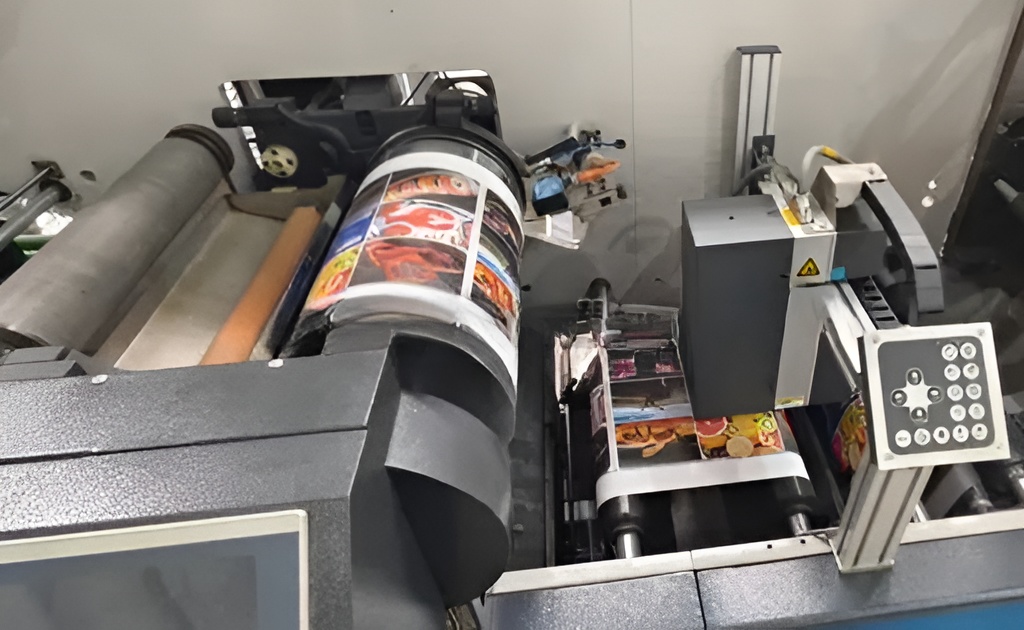
Pulp & Paper Industry
Uses chemicals like sodium hydroxide, chlorine, and bleaching agents to process wood pulp into paper, ensuring strength, brightness, and quality.

Paint Industry
Uses pigments, solvents, resins, and additives to create coatings that protect surfaces, enhance appearance, and provide durability and finish.
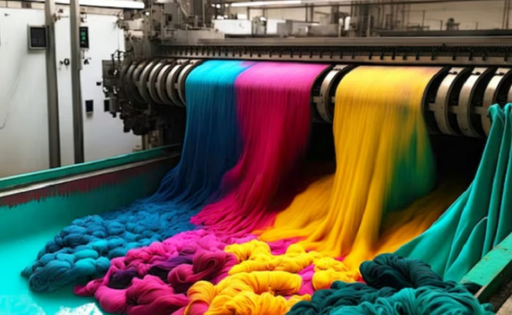
Dye Industry
Uses chemical dyes, pigments, and fixing agents to color textiles, paper, and materials, ensuring vibrant shades, durability, and long-lasting color quality.

Rubber Industry
Uses latex, sulfur, and additives in vulcanization to produce flexible, durable rubber products with strength, elasticity, and resistance to wear and heat.

Textile Industry
Uses fibers, dyes, and chemicals like enzymes and finishing agents to produce fabrics with desired color, strength, softness, and durability.

Food Industry
Uses preservatives, flavorings, enzymes, and additives to process, package, and preserve food, ensuring safety, taste, quality, and longer shelf life.

Ceramic Industry
Uses silica, alumina, feldspar, and kaolin with additives like zircon and binders to produce durable tiles, sanitaryware, and heat-resistant products.

Fertilizer Industry
Uses chemicals like nitrogen, phosphorus, and potassium compounds to produce fertilizers that improve soil fertility and boost crop growth efficiently.

Soap Industry
Uses oils, fats, and alkalis like sodium hydroxide with additives to produce cleansing products that remove dirt, bacteria, and maintain skin hygiene.

Metallurgy Industry
Uses chemicals like fluxes, acids, and alloys to extract, refine, and process metals, improving strength, purity, and resistance for industrial use.

Petroleum Industry
Refines crude oil using chemicals and catalysts to produce fuels, lubricants, and petrochemicals essential for energy, transport, and industry.

Construction Industry
Uses materials like cement, steel, and chemicals such as admixtures and coatings to build durable structures, ensuring strength, safety, and long-lasting performance.

Photography Industry
Uses light-sensitive chemicals, developers, and digital technologies to capture, process, and enhance images for creative, commercial, and professional use.